
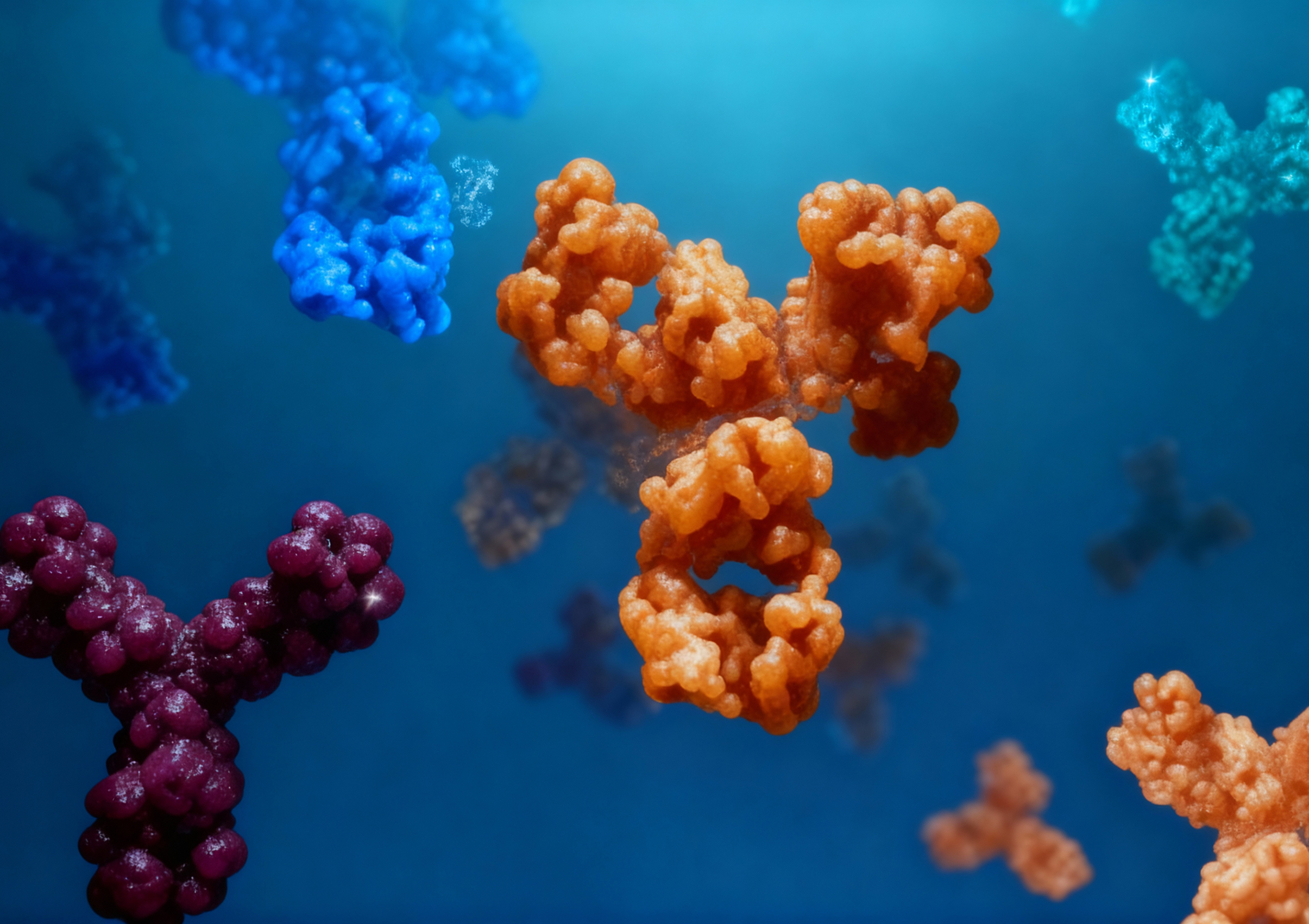

Thousands of antibodies optimized across different formats.

Rapid incorporation into our yeast-based library platform.

IgGs, bispecifics, VHHs, and non-antibody proteins.

Engineered antibodies powering pipelines worldwide.
Adimab has optimized more than a thousand antibodies, improving specificity, affinity, and developability. By embedding developability into the discovery workflow, our partners receive candidates refined for function and stability. This approach reduces risk and supports efficient progression from early antibody leads to clinical development and beyond.
Antibody engineering at Adimab leverages AI- and ML-guided library design to expand functional diversity and explore non-overlapping sequence space. Libraries are rapidly incorporated into our engineered yeast strain, enabling enrichment for key traits. Iterative design cycles accelerate the identification of candidates with improved therapeutic properties.
Beyond standard IgGs, Adimab’s engineering capabilities extend to partner-discovered antibodies, fragments, bispecifics and multispecifics, and even non-antibody proteins, such as TCRs. This flexibility allows teams to address a broad range of therapeutic goals, from tuning binding affinity to extending half-life, all within a unified engineering framework.
Real-time flow cytometry and high-throughput analytics provide continuous feedback during antibody engineering campaigns. These insights allow for rapid enrichment toward desired properties such as affinity, stability, and effector function. The data-driven approach shortens development cycles and supports informed, strategic decisions at every step.
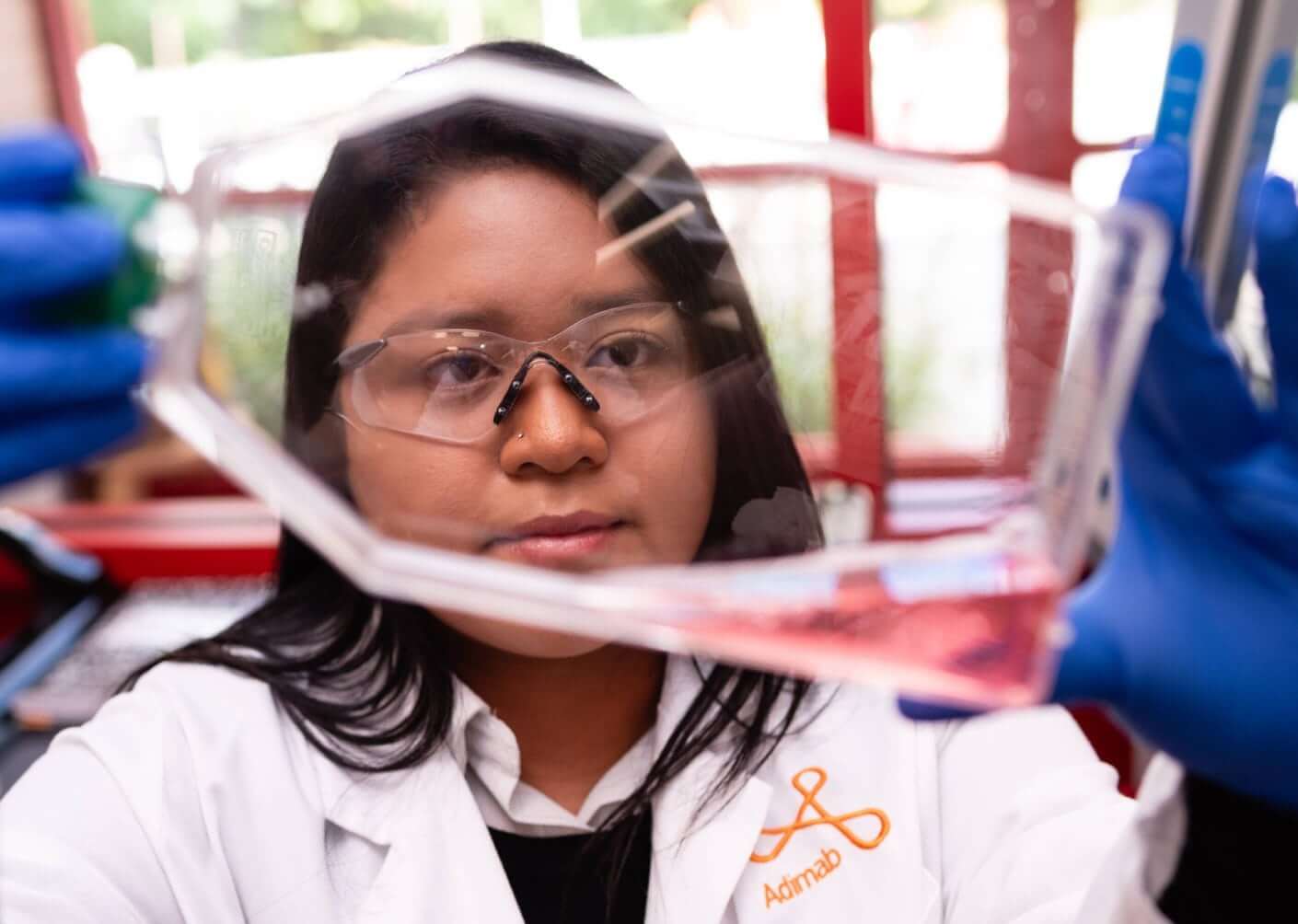
Adimab applies Fc-silencing mutations and engineered Fc variants to modulate effector function and extend antibody half-life. These Fc modifications enable precise tuning of immune signaling while improving pharmacokinetics.
From preclinical models through clinical development to commercial products, Fc-engineered antibodies have consistently demonstrated half-lives exceeding 3 months, validating their therapeutic potential.
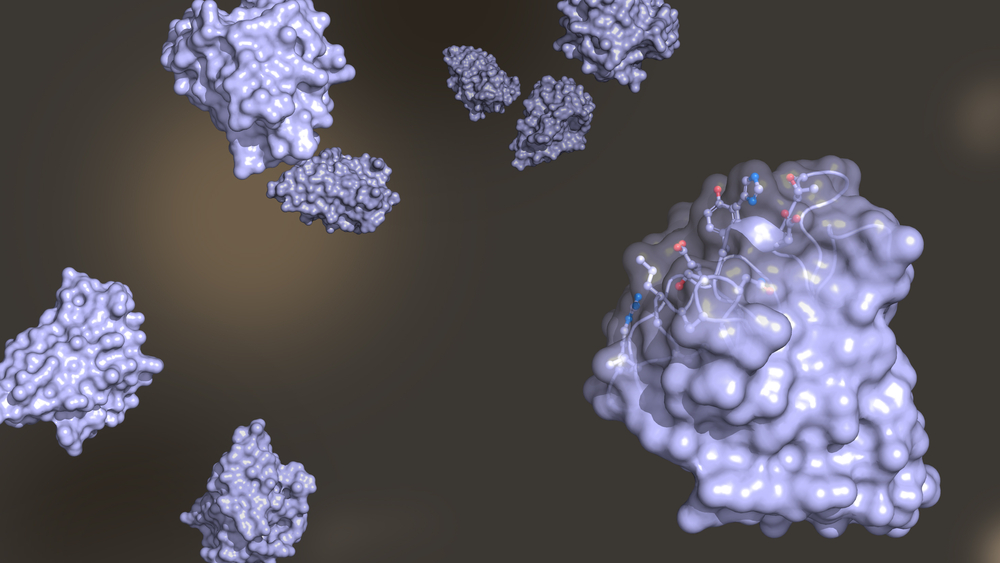
By leveraging structural modeling and directed evolution, Adimab engineers heterodimerization at both HC:LC and HC:HC interfaces. This enables the generation of IgG-like bispecifics and multispecific antibodies that retain favorable developability profiles.
Multiple partner programs built on this engineering strategy have advanced into clinical trials, demonstrating the reproducibility and scalability of the approach.
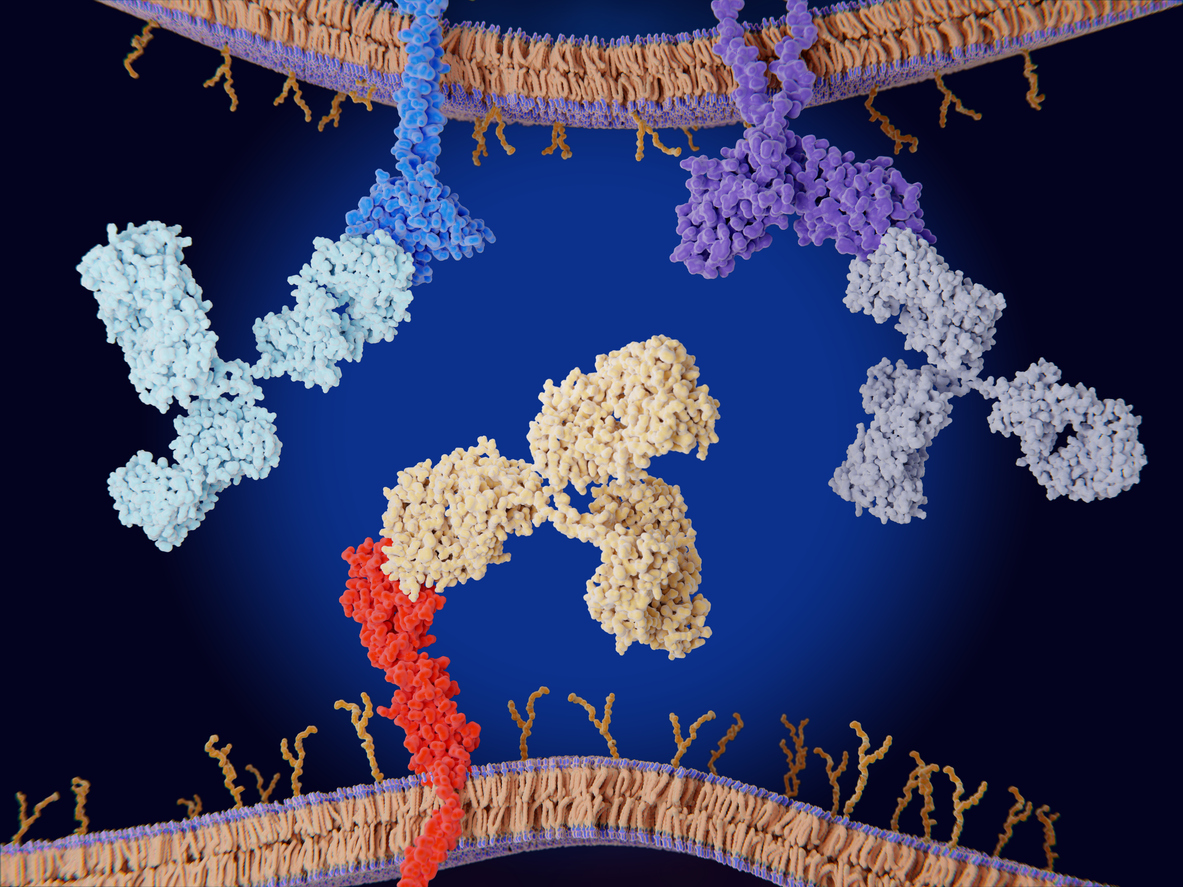
Therapeutic antibody engineering at Adimab embeds developability as a design principle, not only as a downstream filter. Libraries are created using AI-/ML-guided sequence diversification and integrated into yeast presentation campaigns that measure stability, aggregation risk, and polyspecificity in parallel with binding.
This ensures early identification of candidates that can withstand clinical development pressures.

Adimab’s antibody engineering capabilities support more than 600 therapeutic programs, with 80+ molecules advanced into clinical testing and 5 approved products derived from partner pipelines.
The platform’s flexibility spans IgGs, VHHs, bispecifics, and even TCR constructs, providing reproducible translation from discovery through late-stage development across therapeutic areas.
Engineered CD3 antibodies with low polyreactivity enable safer, more stable bispecific therapeutics.
Study shows improved specificity comes with lower stability, informing antibody engineering strategies.
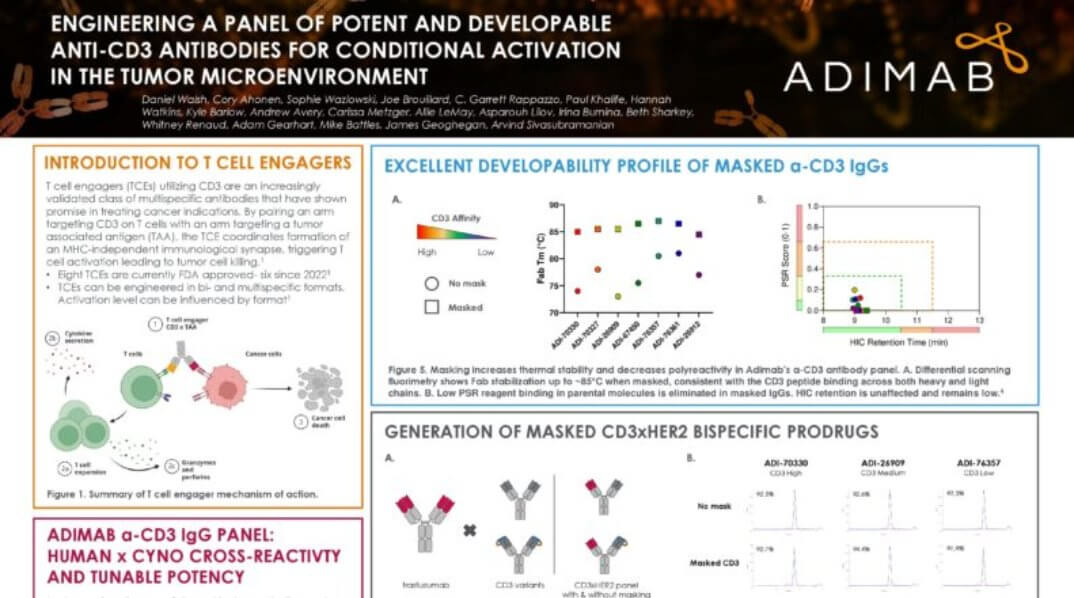
Masked anti-CD3 antibodies activate selectively in tumors, offering potent, localized T-cell engagement.

Access high-quality synthetic and immune libraries delivering therapeutic antibodies for the clinic.

Engineer multispecifics, including T-cell engagers, of diverse formats for function, manufacturability, and scalability.

Leverage AI-guided engineering of non-antibody proteins for tailored binding, stability, and expression.

Learn how our integrated capabilities in discovery and engineering help advance your programs to the clinic.